
Real problems.
Connected data.
Better decisions.
Senior engineering and operational problem-solving for New Zealand's food, beverage, wine and process manufacturers. Based in Marlborough. I connect your systems into the measures your decisions need and add AI where it genuinely helps.
I help manufacturing and processing businesses solve important technical and operational problems: by connecting their data, measuring what matters and applying hands-on engineering judgement.
Data integration
Connect and consolidate the systems you already have (ERP, production, accounting, quality, compliance, spreadsheets) into one reliable source of truth.
Performance intelligence
Define the measures your decisions need, ensure they are right and deliver them on time without the manual reporting; with AI only where it genuinely adds value.
Operational analysis
Diagnose process and production problems using data, root-cause analysis and first-principles engineering.
Process optimisation
Identify and capture waste reduction, yield improvement and cost savings through systematic study.
Engineering decision support
Technical review of projects and capital decisions with independent, pragmatic assessment.
Fractional senior capability
On-demand senior technical leadership for businesses that need expertise without a full-time hire.
AI is changing how businesses run. It only works on data that is connected and managed.
AI can now read your reports, answer questions about your operation and take on routine work: drafting, checking, flagging what needs a person’s attention. Most businesses will use it in some form. The ones that benefit will be those whose data is ready for it.
Efficiently
AI is only as useful as the data it can reach. When the numbers live in separate systems and personal spreadsheets, every answer starts with someone copying and checking by hand. Connected data lets AI answer in minutes what now takes a day.
Safely
Your data holds customer terms, staff records and the know-how that makes you competitive. Deciding what AI may see, keeping sensitive information out and keeping a record of what it read and did is what makes it safe to use. Your data stays in your systems; I work inside them.
Correctly
AI states a wrong number as confidently as a right one. Agreed definitions, checked data and a clear source for every figure are how you can trust its answers and how an auditor can too.
That’s where I start: connecting your systems, defining the measures your decisions rely on and putting the controls in place, so AI is added where it genuinely helps. I run my own business this way.
Don't buy "engineering" or "consulting".
Buy the resolution of an important problem.
If you're facing any of these challenges, talk to me about what you're dealing with.
Unexplained variation
Yield, scrap or quality moves and nobody can say why, so you react instead of getting ahead of it.
Production bottlenecks
Certain stations or steps consistently slow you down, but optimising one area just shifts the constraint elsewhere.
Hidden cost drivers
Material usage, energy consumption, or labour hours keep creeping up, but you can’t pinpoint where the waste is actually occurring.
Numbers that don’t agree
Each system tells a different story, month-end reports take days to assemble and meetings argue about the figures instead of the decision.
Capital decision risk
You’re considering a major equipment upgrade or facility expansion, but the business case feels speculative without rigorous analysis.
Response time to issues
When something goes wrong, it takes too long to understand the impact and decide on the right fix.
Improvements that fade
You fix something, but without a measure that keeps watching it, the gain quietly slips away.
Skills gap
Your team has great people, but not enough senior technical capability to solve complex problems without external help.
A proven problem-solving framework
My approach starts from what you want to achieve and the decisions that get you there.
Start from your goal
What you want to improve and which decisions matter most.
Understand it
On the floor, in the data, with the people doing the work.
Connect and analyse
Bring the data together, analyse it and build the right architecture.
Measure what matters
Define and validate the measures the organisation needs.
Act on it
Improve the process or implement data-driven decisions, with your team.
Keep it going
Track the results and keep working with you so the gains last.
Selected projects demonstrating the approach in action
These represent a sample of work across manufacturing, process engineering and operations optimisation.
Processing labour and time reduction
Assessed and implemented new equipment to change from manual to machine processing, without compromising product quality.
Business outcome
Reduced processing time by 60% and labour costs by 95%.
20+ similar projectsTools
Dashboarding and QC traceability
Connected live and historical plant data into clear dashboards, enabling rapid assessment of production performance.
Business outcome
Enabled complete product traceability and costing through complex multi-stage batching and cut time spent on manual data analysis by 90%.
15+ similar projectsTools
Chemical plant optimisation
Implemented Advanced Process Control (APC) to cut process variability and boost profitability across oil refineries and fine chemical facilities.
Business outcome
Typical annual savings of approximately NZ$1–5M per project through reduced variability, higher yield and lower energy consumption.
25+ similar projectsTools
Production parameter mapping and sensitivity analysis
Mapped key process variables using plant data to discover which operational tweaks deliver the highest value.
Business outcome
Increased throughput, improved product quality and enabled full compliance with new customer requirements.
50+ similar projectsTools
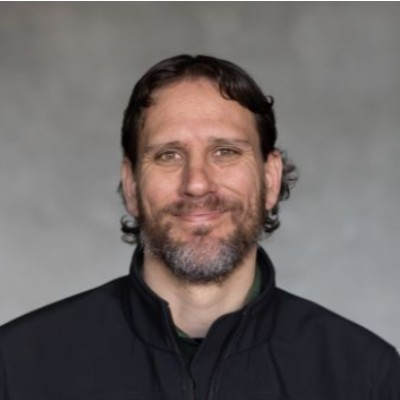
Heinrich Badenhorst
Chemical Engineer & Senior Technical Leader
LYTIX is my fractional practice. I'm a chemical engineer and senior technical leader with 23 years of hands-on experience across industrial manufacturing, process engineering, R&D and operations leadership.
I help manufacturing and operations businesses solve important technical and operational problems, often starting by connecting their data and measuring what matters to their decisions. I don't stop at a report: I stay until the improvement is implemented and the measures are trusted and in use.
What sets this apart from traditional consulting is the emphasis on hands-on problem solving. I bring the same rigour you'd expect from a senior engineer, combined with the commercial awareness of someone who has run operations and made capital decisions.
Credentials & Expertise
What do you want to improve?
Based in Marlborough, New Zealand. Available across New Zealand, on site or remotely.